






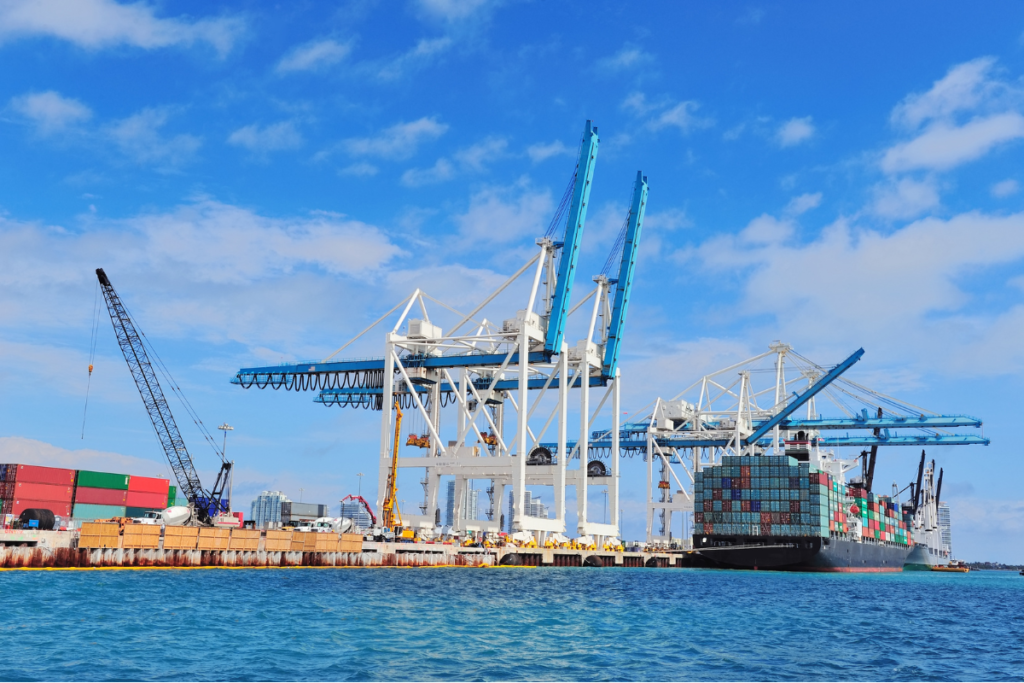
As global trade continues to expand, Vietnam is gradually strengthening its position as an important logistics hub in the region. According to the latest development orientation, the Government has established a logistics development roadmap through 2035 with the goal of improving competitiveness, optimizing costs, and promoting sustainable growth.
This is considered a strategic move that will not only impact the logistics industry but also directly affect manufacturing, import-export activities, and supply chain operations of businesses.
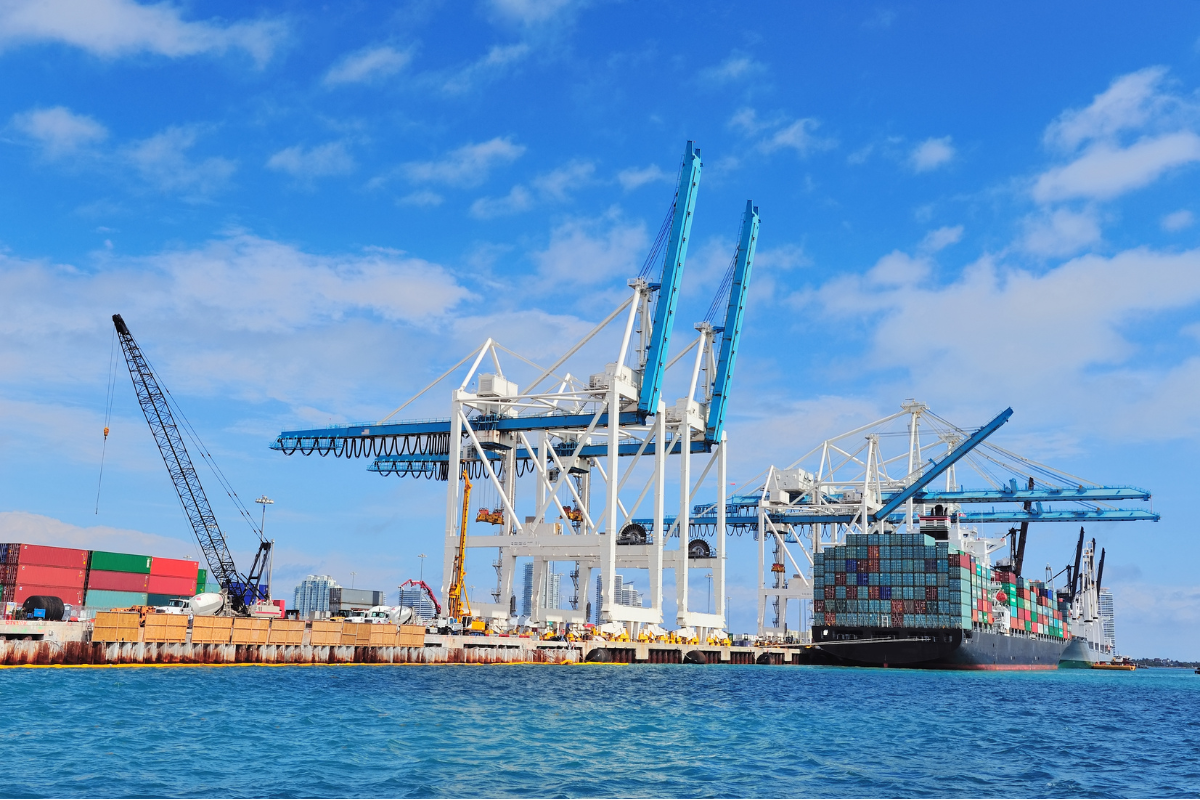
Vietnam’s Logistics Development Roadmap Through 2035
Under the announced direction, Vietnam aims to develop logistics into a high value-added service sector that plays a vital role in the national economy.
Key objectives include:
- Increasing the contribution of logistics to GDP
- Reducing logistics costs relative to total cargo value
- Developing synchronized transportation infrastructure
- Accelerating digital transformation and technology application in logistics
- Strengthening connectivity between transportation modes
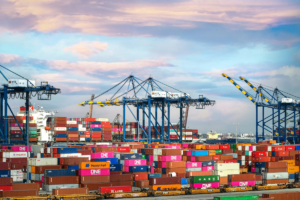
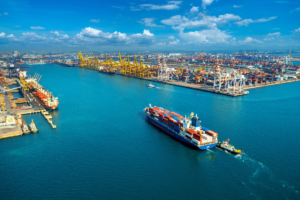
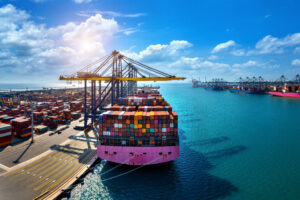
In particular, the development of large-scale logistics centers and the upgrading of seaports and warehouse systems are considered key priorities in the coming years.
Infrastructure and Technology – Key Drivers of Development
One of the most notable aspects of the roadmap is the focus on developing modern and synchronized logistics infrastructure.
Main solutions include:
- Upgrading seaport and deep-water port systems
- Developing multimodal transportation networks (road, sea, inland waterways)
- Building logistics centers in key economic regions
- Applying digital technologies in logistics management and operations
The combination of infrastructure and technology is expected to reduce logistics costs, improve operational efficiency, and enhance the competitiveness of Vietnamese businesses in the international market.
Impact on Manufacturing and Import-Export Businesses
The logistics development roadmap through 2035 is not only a national strategy but also creates practical opportunities for businesses.
Specifically:
- Reducing transportation and warehousing costs through improved infrastructure
- Increasing delivery speed, especially for import-export cargo
- Expanding access to international markets
- Optimizing supply chains and improving operational efficiency
However, to fully benefit from these opportunities, businesses need to proactively upgrade their internal logistics systems or cooperate with logistics providers that have practical operational capabilities.
Ngoc Phuoc Logistics in the Context of Strong Industry Growth
As Vietnam’s logistics industry is being developed with a long-term vision, companies with strong operational foundations and integrated service ecosystems will have significant advantages.
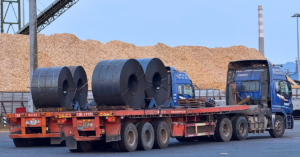
Ngoc Phuoc Logistics is one of the companies developing in this direction, with practical experience in transportation, port operations, and cargo handling in key areas such as Phu My, Ho Chi Minh City, and major port clusters.
With services including transportation, cargo handling, lashing, warehousing, and customs procedures, Ngoc Phuoc Logistics is gradually building an integrated logistics model aligned with future industry trends.
The connection between transportation and port operations helps businesses improve schedule control, optimize costs, and respond flexibly to customer demands in an increasingly competitive logistics environment.
Future Logistics Trend: Integration and End-to-End Optimization
According to the 2035 orientation, Vietnam’s logistics sector will gradually shift toward integrated models, where transportation, warehousing, ports, and technology are connected into a unified system.
This requires businesses to:
- Operate multimodal transportation systems
- Enhance technology application in management
- Optimize the entire supply chain instead of separate stages
This is both a challenge and an opportunity for logistics companies to improve capabilities and expand market reach.
Conclusion
Vietnam’s logistics development roadmap through 2035 opens up many opportunities for businesses to optimize costs, improve operational efficiency, and expand business activities.
However, to take advantage of these opportunities, businesses must proactively adapt to new trends and choose logistics partners with practical experience and operational capabilities.
In this context, companies like Ngoc Phuoc Logistics, with strong operational foundations and a clear development orientation, will play an important role in helping businesses optimize supply chains and improve long-term competitiveness.