






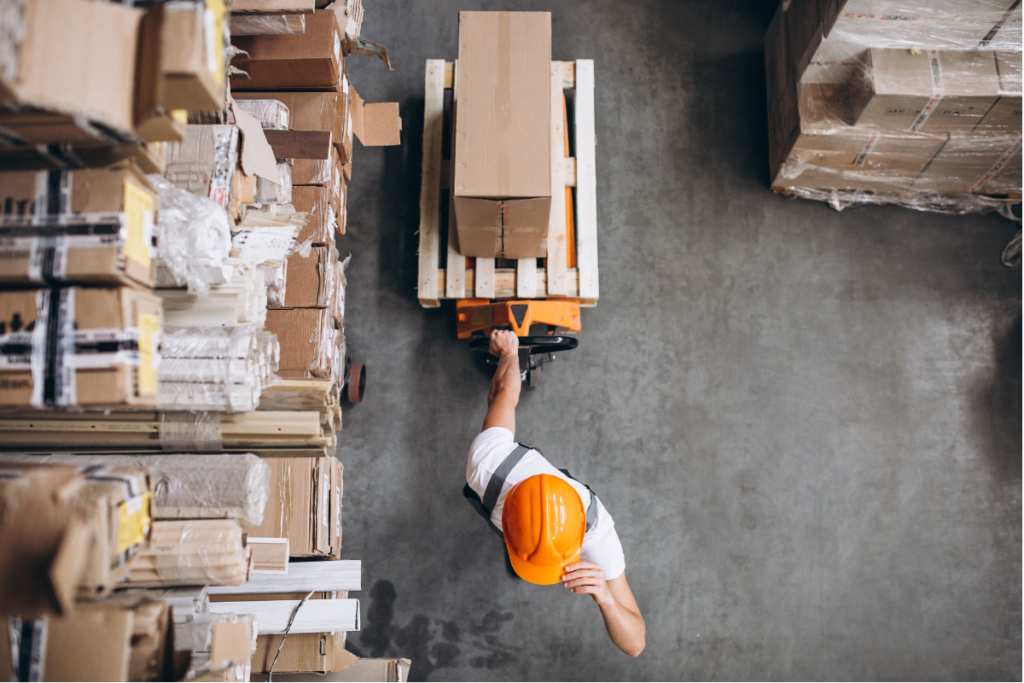
As supply chains become increasingly complex, logistics management is no longer just about transporting goods. It has become a strategic challenge for businesses. From production and warehousing to distribution, every stage needs to be optimized to ensure efficiency and cost control.
Therefore, logistics models such as 3PL (Third-Party Logistics) and 4PL (Fourth-Party Logistics) are receiving growing attention from businesses. However, not every company fully understands the differences between these models or knows which solution best fits their needs.
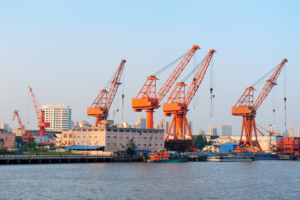
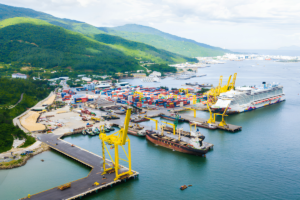
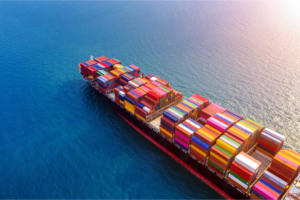
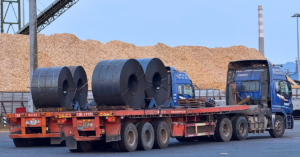
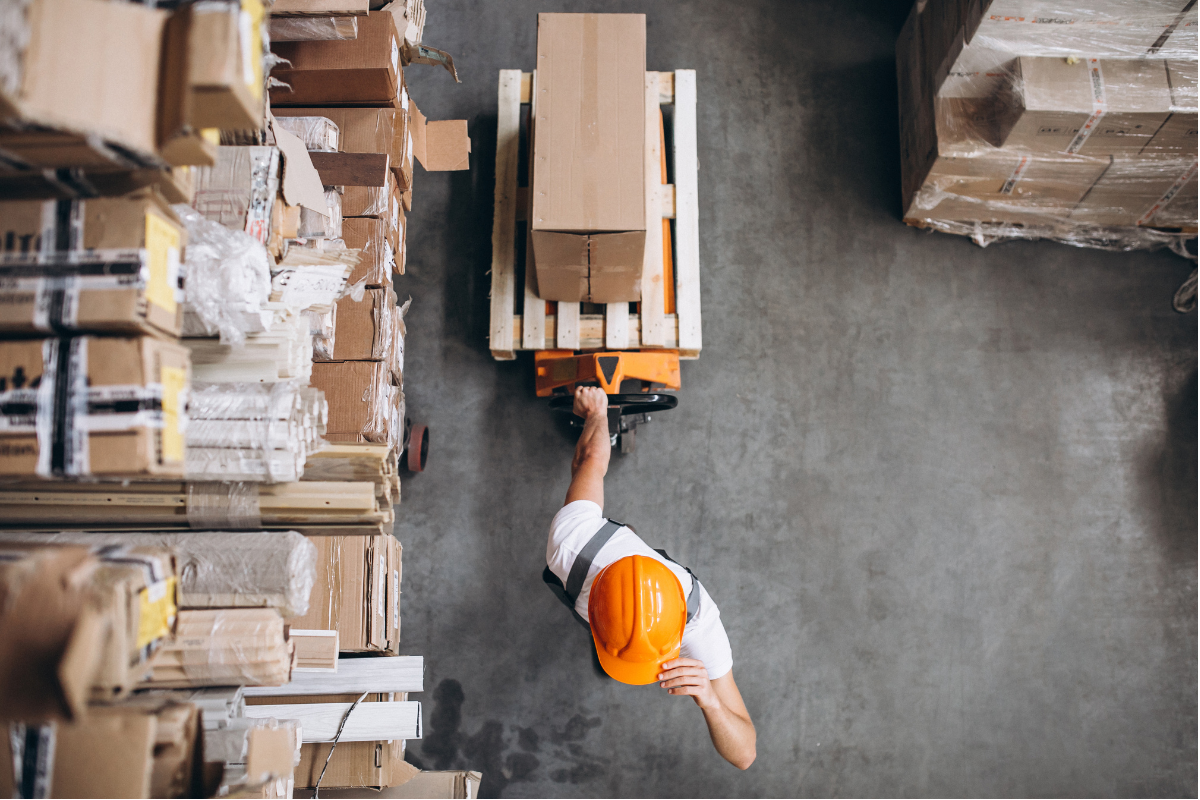 Illustrative image
What is 3PL?
3PL (Third-Party Logistics) is a model in which businesses outsource part or all logistics activities to a third-party provider, including:
- Transportation
- Warehousing
- Distribution
- Order fulfillment
In this model, the business still maintains overall management control, while the 3PL provider directly handles operations.
What is 4PL?
4PL (Fourth-Party Logistics) is a more advanced model in which a logistics provider manages the entire supply chain for the business.
The role of a 4PL provider includes:
- Designing logistics strategies
- Coordinating multiple 3PL providers
- Optimizing the entire supply chain
- Managing operational data and efficiency
Comparison Between 3PL and 4PL
| Criteria | 3PL | 4PL |
|---|---|---|
| Role | Executes logistics operations | Manages the entire supply chain |
| Scope | One or multiple logistics stages | Entire supply chain |
| Control | Managed by the business | Coordinated by the 4PL provider |
| Function | Transportation, warehousing, distribution | Strategy, coordination, overall management |
| Integration Level | Medium | High |
| Suitable For | Small and medium businesses | Large businesses with complex supply chains |
Should Businesses Choose 3PL or 4PL?
There is no model that is “absolutely better.” The right choice depends on the business’s development stage and operational needs.
Businesses should choose 3PL when:
- Their supply chain is not overly complex
- They only need to outsource transportation or warehousing
- They still want direct control over logistics operations
Businesses should choose 4PL when:
- Their supply chain involves multiple stages and partners
- They need to optimize the entire logistics system
- They want to reduce management workload and focus on core business activities
Current Trend: From 3PL Toward Integrated Logistics
Today, many businesses are moving toward integrated logistics as a flexible transition between 3PL and 4PL.
Instead of immediately shifting to a full 4PL model, businesses often choose integrated logistics because changing an entire logistics system requires significant resources, time, and management capability.
In this model, logistics providers not only perform operational activities such as transportation, warehousing, cargo handling, and distribution, but also help businesses connect and optimize different stages of the supply chain.
As a result, integrated logistics is easier to implement than 4PL, more flexible in operation, and still capable of optimizing costs without completely changing the existing system.
Ngoc Phuoc Logistics – An Integrated Logistics Approach
Instead of focusing only on standalone transportation services like traditional 3PL providers, Ngoc Phuoc Logistics is developing toward an integrated logistics model that connects multiple operational stages within one system.
In addition to transportation, the company also provides cargo handling, warehousing, lashing and dunnage, port operations, and cargo coordination based on the characteristics of each shipment.
This integrated approach helps businesses better control schedules, reduce risks, and optimize overall logistics costs.
Conclusion
Both 3PL and 4PL are important models in modern logistics. However, the current trend is gradually shifting toward integrated logistics, where different operational stages are connected to improve the efficiency of the entire supply chain.
With this development direction, Ngoc Phuoc Logistics provides flexible solutions for businesses seeking to optimize operations without completely changing their existing logistics systems.