





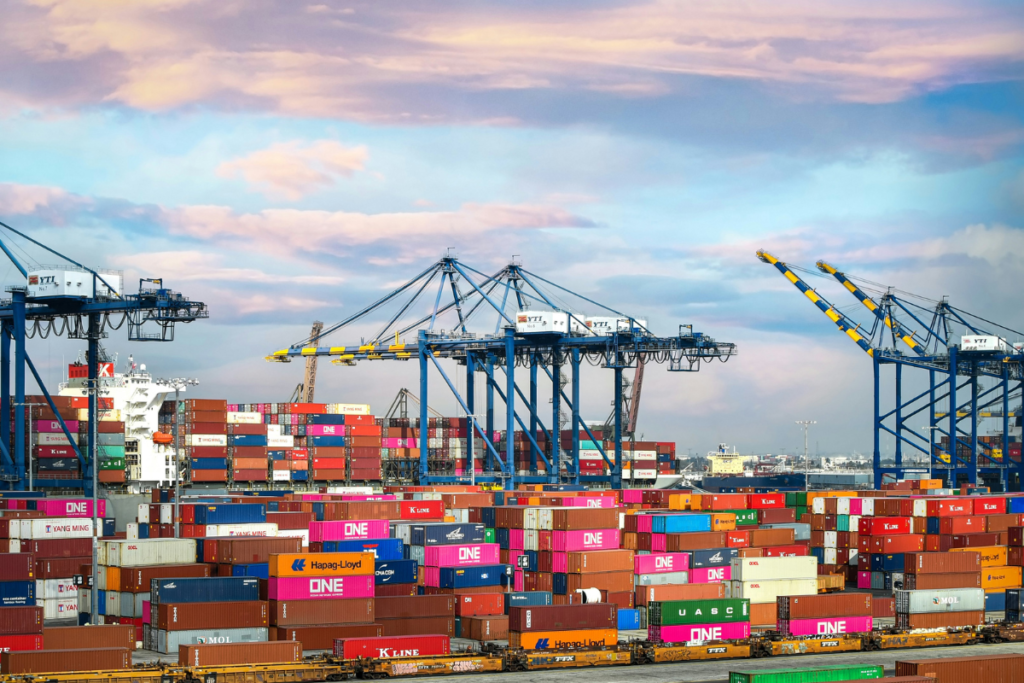
In recent years, the global logistics industry has entered a phase of rapid transformation. Geopolitical changes, shifting trade policies, rising costs, and supply chain disruptions are forcing businesses to rethink how logistics operations are structured.
Logistics is no longer just about moving goods from point A to point B. It is evolving into a more comprehensive model — integrated logistics.
This is not just a trend, but a new standard for building efficient and sustainable supply chains.
What is integrated logistics?
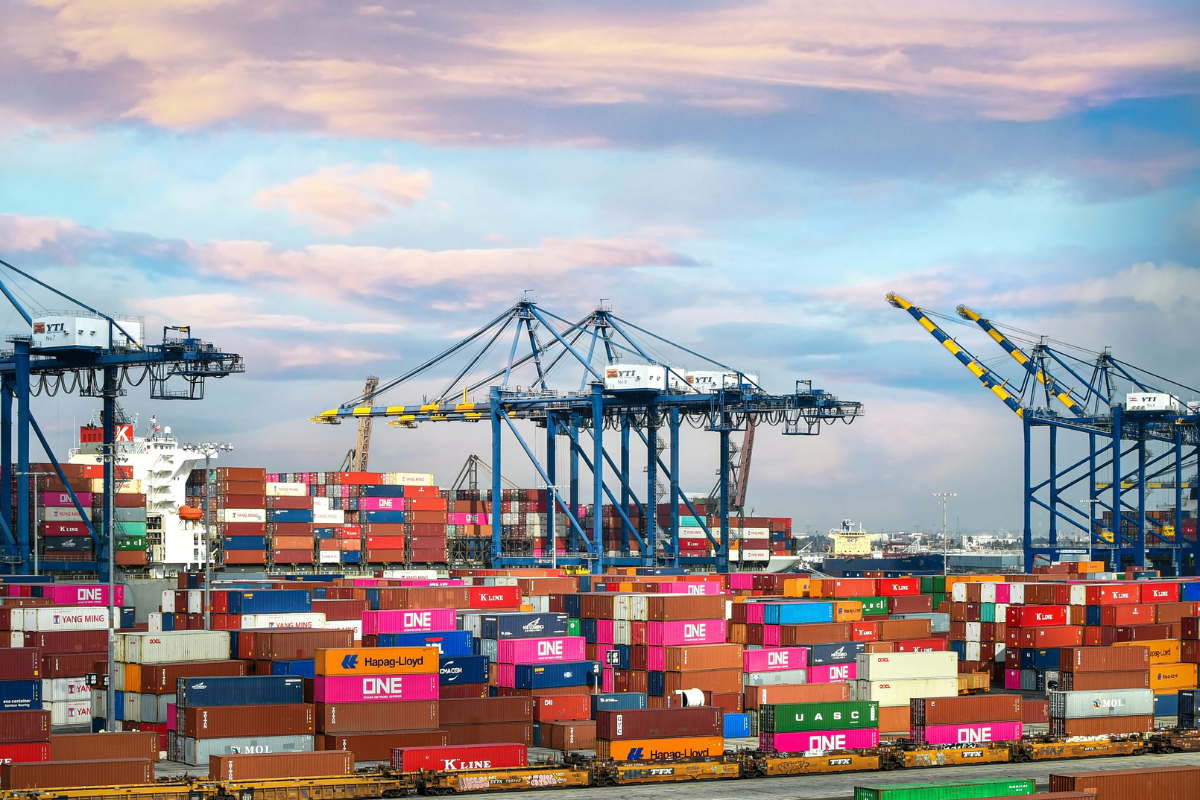
Integrated logistics is a model in which all supply chain activities are connected and managed within a unified system, including:
- Transportation (road, sea, inland waterways…)
- Warehousing and storage
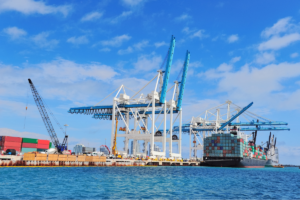
- Port operations and cargo handling
- Customs procedures and documentation
- Distribution and delivery
Instead of working with multiple separate providers, businesses cooperate with a single system or partner capable of coordinating the entire process.
This approach reduces fragmentation and creates a seamless, transparent, and controllable flow of goods.
Why is integrated logistics becoming inevitable?
1. Increasing supply chain complexity
Global trade expansion and multinational production models have made supply chains longer and more complex.
A single product may:
- Source materials from multiple countries
- Be manufactured in Vietnam
- Be exported to a third market
This requires logistics to manage the entire process, not just transportation.
2. Frequent disruptions
Events such as pandemics, regional conflicts, port congestion, and fuel price volatility can disrupt supply chains.
Integrated logistics enables:
- Flexible routing
- Alternative transport planning
- Reduced dependency on a single link
3. Cost optimization pressure
Logistics costs account for a significant portion of total business expenses, especially in industrial production and import-export sectors.
Integration helps:
- Reduce intermediaries
- Optimize routes
- Minimize unnecessary costs
4. Demand for transparency and control
Businesses increasingly require:
- Real-time tracking
- Process visibility
- Documentation control
Integrated logistics centralizes data, improving management capability.
Vietnam is becoming a key link in global supply chains, especially in trade relations with China.
A clear “manufacturing – export” model is emerging:
- China supplies materials and machinery
- Vietnam handles production and export
This leads to:
- Increased cargo volume
- Growing cross-border logistics demand
- Higher requirements for speed and accuracy
At the same time, challenges remain:
- Complex customs regulations
- Strict documentation requirements
- Time pressure
Integrated logistics is therefore no longer optional, but essential.
What businesses need from logistics providers
- Multimodal coordination
- Strong operational expertise
- Cost and timeline control
- Risk and customs handling
- End-to-end supply chain integration
Ngoc Phuoc Logistics in the integrated logistics trend
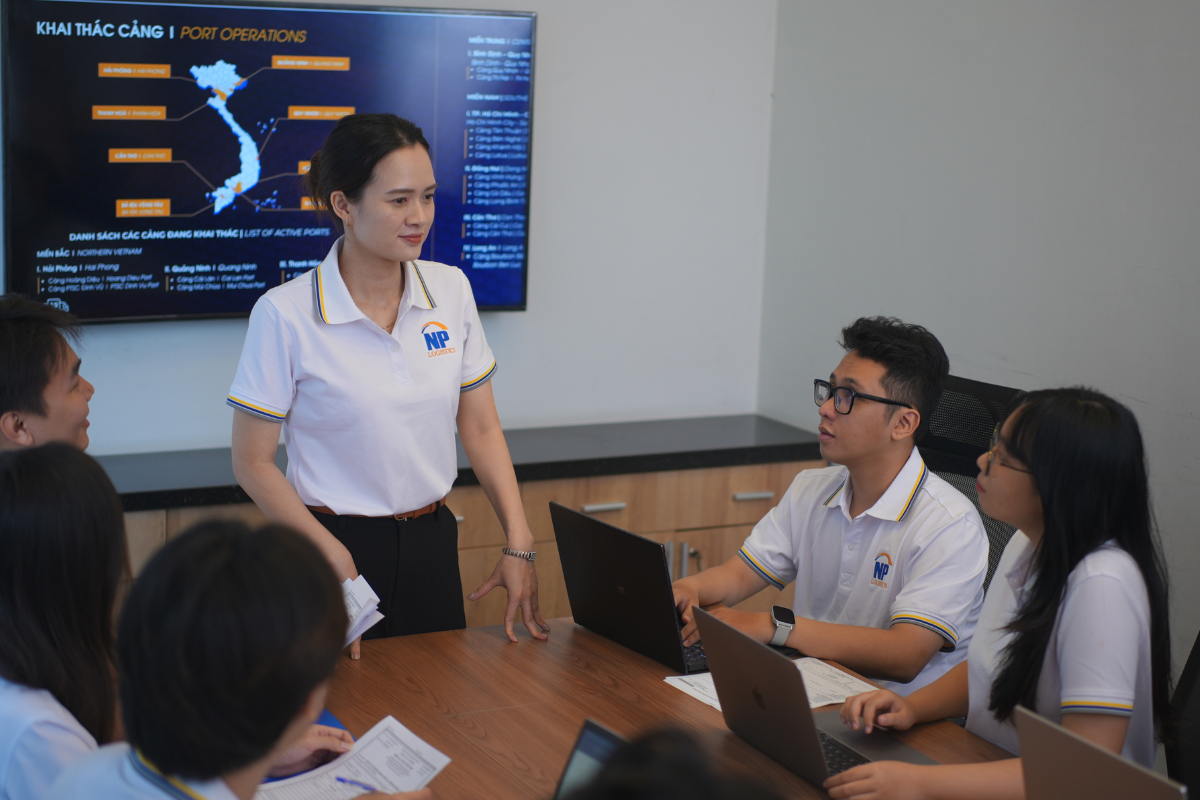
In Vietnam, Ngoc Phuoc Logistics is gradually developing in the direction of integrated logistics, with a focus on practical operational capacity and service synchronization.
The company’s service ecosystem includes:
- Road transportation connecting to ports
- Sea transportation
- Port operations, cargo handling, and lashing
- Customs procedures
- Warehousing and cargo management
With operations at key port clusters such as Cai Mep and Phu My, and expansion into northern areas, Ngoc Phuoc Logistics has advantages in:
- Connecting domestic and international transport routes
- Carrying out on-site operations
- Coordinating flexibly according to each cargo type
- Supporting businesses in import-export activities
The direction of Ngoc Phuoc Logistics is not merely to provide individual services, but to build a logistics system capable of connection and synchronized operations.
Conclusion
Integrated logistics is becoming an inevitable trend as global supply chains grow more complex and volatile.
For businesses, choosing the right logistics model not only helps optimize costs but also improves control, reduces risks, and increases operational flexibility.
With its integrated development orientation and practical operating capability, Ngoc Phuoc Logistics is gradually becoming a suitable partner for manufacturing and import-export businesses in Vietnam.