








In industrial, construction, and energy projects, transporting oversized and overweight cargo is one of the most complex and high-risk stages. Beyond selecting the right vehicles, businesses must also comply with strict legal regulations, particularly regarding transport permits.
So, what should businesses consider when transporting oversized and overweight cargo and applying for permits to ensure safety, compliance, and project timelines?

What is oversized and overweight cargo?
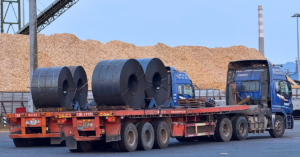
Oversized and overweight cargo refers to goods that exceed the legal limits in size or weight for standard transportation.
These typically include:
- Industrial machinery
- Steel structures
- Construction equipment
- Energy equipment
Such cargo requires:
- Specialized transport vehicles
- Technical securing methods
- Strict legal compliance
When is a transport permit required?
Businesses must obtain permits when:
- Cargo exceeds size limits
- Weight exceeds regulations
- Specialized trailers are used
Failure to comply may result in fines, delays, or project disruption.
What should businesses prepare?
To answer what businesses should consider, key steps include:
- Accurate cargo specifications
- Route survey and infrastructure assessment
- Appropriate vehicle selection
- Complete permit documentation

Common risks
- Invalid permit documents
- Inappropriate routes
- Lack of technical planning
- Unexpected incidents
These risks can lead to delays, increased costs, and reputational damage.
Why choose a full-service logistics provider?
A professional logistics partner helps:
- Ensure legal compliance
- Reduce technical risks
- Save time
- Maintain project timelines
Ngọc Phước Logistics
Ngọc Phước Logistics provides:
- Transportation planning
- Route survey
- Permit processing
- Safe and compliant transport
- Progress monitoring
Conclusion
Understanding what businesses should consider is key to ensuring efficient oversized cargo transportation.
Ngọc Phước Logistics delivers reliable, practical solutions to support project success